
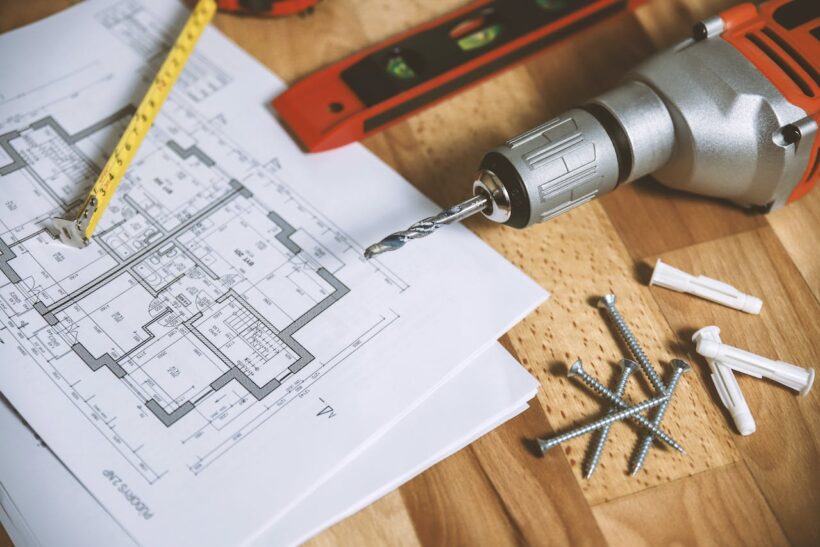
Because winging a renovation is a one-way ticket to budget blowouts, dust-covered chaos, and regret.
Planning a renovation? Whether it’s a small bathroom update or a full-blown kitchen overhaul, you’re about to enter a world of decisions, deadlines, and disruptions. A successful renovation isn’t just about picking the right tiles or finding the perfect paint color. It’s about planning smart so you don’t end up stressed out and knee-deep in costs you didn’t see coming.
Here’s your no-nonsense guide to staying on top of it all and getting the results you actually want.
1. Define Your “Why” Before You Swing a Hammer
Start with a purpose. Are you renovating to boost resale value? To create more space? To finally fix that leaky ceiling that’s been mocking you for two years?
Defining your goal early on shapes every decision you’ll make, from the layout to the lighting. According to a 2024 Houzz report, over 70 percent of homeowners renovate to improve functionality, while around 40 percent focus on aesthetics. Know which matters more to you so your priorities stay clear when tough calls come up.
2. Budget Like You Mean It
This is where dreams crash into reality. Be honest about what you can afford, then add a cushion of at least 15 to 20 percent for unexpected costs. Spoiler: something will always cost more than you thought.
Break your budget into categories like materials, labor, permits, appliances, and design fees. Want a tip? Use tools like BuildZoom or Sweeten to check average project costs in your area. The more data you have, the better your decisions.
3. Know What to DIY and What to Leave to the Pros
Painting a wall? Sure. Rewiring electricals? Maybe don’t. DIY can save money, but only when you’re confident in your skills and the task isn’t safety-critical. In fact, poorly done DIYs are one of the top reasons renovations go over budget. Hiring professionals may seem pricey upfront but could actually save you from rework or repairs down the line.
Ask around, check reviews, and don’t just go with the cheapest contractor. Vet them properly. A reliable pro is worth their weight in tiles.
4. Don’t Skip the Paperwork
It’s tempting to dive right into the fun stuff, like choosing flooring or hardware, but don’t ignore the legal side. Permits exist for a reason. Not getting the right ones can delay your project or cause problems if you plan to sell your home later.
Check with your local city hall or building office to find out what’s required. This varies widely depending on where you live and what kind of work you’re doing.
5. Create a Detailed Timeline (And Expect It to Change)
A clear timeline keeps your project from turning into a never-ending saga. Start by listing every phase: demolition, plumbing, electrical, tiling, painting, inspections. Then estimate how long each step will take and map out the full schedule.
Be realistic. Delays happen. Supplies run late, weather interferes, workers get sick. Build in buffer time so setbacks don’t derail everything.
Use project management apps like Trello, Asana, or even a shared Google Sheet to track progress. It’s easier to manage when everyone involved knows exactly what happens when.
6. Plan Around Your Daily Life
Renovations are disruptive. There will be noise, dust, and strangers coming in and out of your home. If you’re doing major work on a key area like the kitchen or bathroom, make a plan B for where you’ll cook or shower.
Some people choose to stay elsewhere during the most intense phases. Others set up temporary stations in other parts of the house. What matters is that you’re not caught off guard without a functioning sink or toilet.
7. Communicate Like Your Budget Depends on It (Because It Does)
Lack of communication is one of the top causes of renovation nightmares. Misunderstandings about materials, schedules, or tasks lead to rework and blown budgets. Set weekly check-ins with your contractor or project manager, and don’t be afraid to ask questions.
Put everything in writing. Confirm timelines, approvals, or changes over email or chat so there’s a record. It protects both sides and keeps expectations clear.
8. Choose Materials Wisely
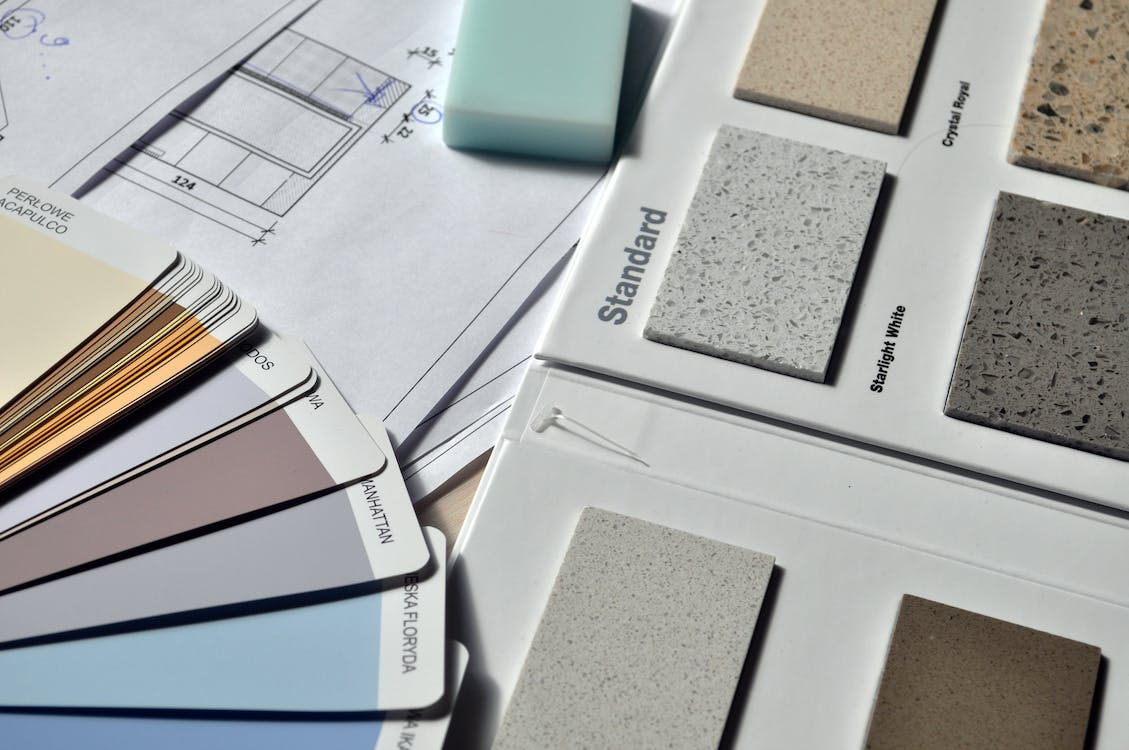
This is where things can spiral fast. Marble countertops look great, but they cost a lot more than quartz or solid surface. High-end fixtures are tempting, but do they fit your overall budget?
Make a materials list early and stick to it. Decide where to splurge and where to save. A smart mix of high and low can give you a premium look without draining your wallet.
And order materials early. Supply chain issues still affect many parts of the world, and backordered items can stall your entire timeline.
9. Think Long Term
Trends fade, but a good layout never goes out of style. Ask yourself: Will I still love this five years from now? Will it add value if I sell?
Sustainability also matters. Look for energy-efficient windows, smart thermostats, and eco-friendly insulation. They cost more upfront but could save you hundreds on utilities in the long run.
10. Be Mentally Prepared for the Chaos
Even with perfect planning, renovations are messy. There will be hiccups. Something will break, delivery will be late, or the paint won’t look like the sample. Take a deep breath. It’s all part of the process.
The good news? With the right prep and mindset, you can avoid most major disasters and keep things moving forward.
Final Thoughts
A renovation can be one of the most rewarding investments you make. But only if you plan it with purpose. So get clear on your goals, set a solid budget, build in buffers, and keep communication flowing. Whether you’re upgrading a single room or doing a full-home overhaul, proper planning keeps the experience from going off the rails.
