
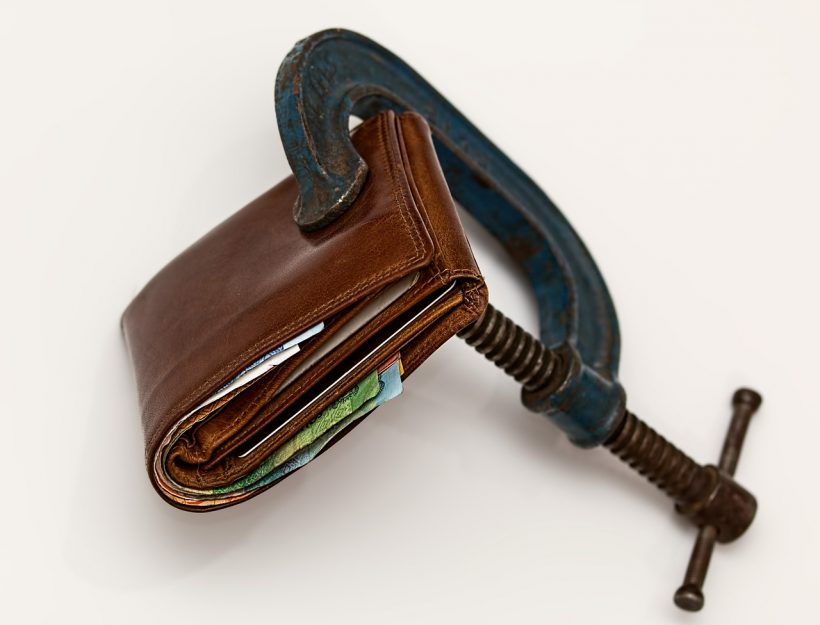
Debt happens, and sometimes it feels like it’s running your life. Good news: you can take charge. Let’s load this article with real insight, practical steps, and a dose of encouragement. Grab a cup of coffee and let’s dive in.
1. Get a Clear Picture of What You Owe
Before anything else, figure out all your debts: credit cards, personal loans, even that “small” loan from a friend. Note what you owe, the interest rates, and the minimum payments.
Why this matters: tracking your debt gives you actual control. Studies show that people who write down their obligations and track them are much more likely to pay them off compared to those who only rely on memory. Once you can see everything in black and white, you can tackle it strategically.
2. Pick a Payoff Strategy That Works for You
There are two popular methods for getting out of debt:
Debt snowball
You pay off the smallest balance first, then roll that payment into the next one. It gives quick wins that feel great and keeps your momentum going.
Debt avalanche
You target the debt with the highest interest rate first. This saves you the most money in the long run, although it may take longer before you feel progress.
Pick whichever method keeps you motivated. The best strategy is the one you can stick with consistently.
3. Bust the Budget
Yes, budgeting sounds serious, but a smart plan actually frees you more than it restricts you. A simple method is the 50-30-20 rule: 50 percent for needs, 30 percent for wants, 20 percent for savings and debt. Another approach is zero-based budgeting, where every peso has a job before the month begins.
Apps or even a simple spreadsheet can help you track where your money is going. Once your budget is working, any extra cash should go straight toward your debts.
4. Ask for Help or Consolidate Wisely
If minimum payments are drowning you, don’t assume you are stuck.
You can call your creditors and ask for lower interest rates or waived fees. Many will say yes, especially if you have a history of paying on time.
Debt consolidation can also help: bundling several high-interest debts into one new loan with a lower rate. Just make sure it truly saves interest and does not extend your timeline too much.
And if you need more structured support, a Debt Management Plan through a reputable credit counseling agency can simplify payments and possibly reduce interest rates.
5. Bring in More Money and Cut Spending Gently
Even small changes add up faster than you think. You could:
-
Pick up a side gig like tutoring, pet sitting, or food delivery
-
Sell items you don’t use anymore
-
Cancel or downgrade subscriptions you barely touch
A recent survey found that more than 40 percent of consumers struggle to pay their bills in full each month. Adding even a small extra income stream or cutting one unnecessary expense can be the difference between sinking deeper and making progress.
6. Level Up Your Financial Know-How
Knowledge is your secret weapon. Taking financial literacy classes has been shown to improve people’s money management and reduce their stress about debt. Think of this step as upgrading your brain’s personal finance software. The more you understand how debt and money work, the easier it is to make smart choices that stick.
Quick Recap Table
| Step | What to Do |
|---|---|
| 1 | List all your debts and understand what you owe |
| 2 | Choose a payoff method: snowball or avalanche |
| 3 | Set a budget that frees money for debt |
| 4 | Negotiate or consolidate when it makes sense |
| 5 | Boost income or trim unnecessary spending |
| 6 | Learn more about handling money effectively |
Debt can feel heavy, but you are not powerless. When you see it clearly, choose the right strategy, manage your money wisely, and build your financial knowledge, you are not just managing debt. You are building a future where you control your money instead of the other way around. One step, one payment, and one smart choice at a time.
