
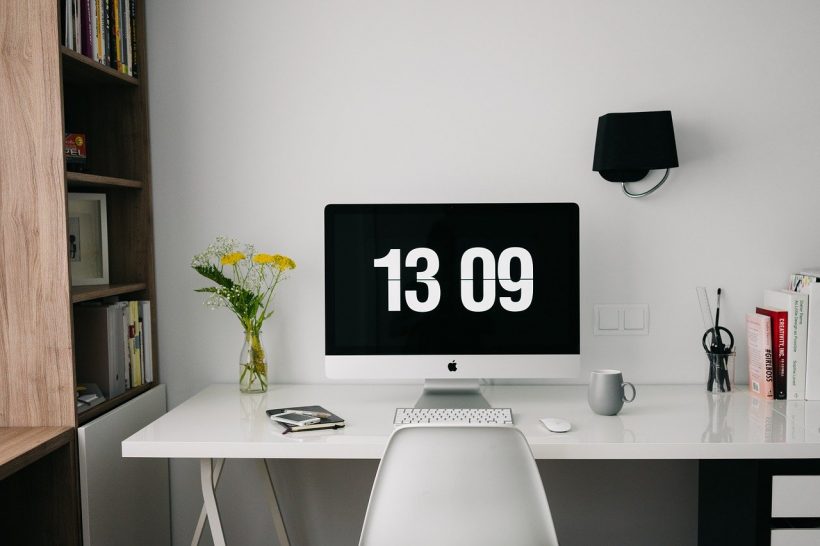
Working from home can be a game-changer for your productivity, but only if your workspace is set up for success. A cluttered, poorly lit, or uncomfortable home office can drain your energy and slow you down. On the flip side, a well-arranged and thoughtfully decorated space can boost focus, creativity, and even your mood. Studies suggest that an organized and well-designed workspace can increase productivity by as much as 38 percent, while natural light and personal touches can significantly improve well-being and creativity.
Whether you have an entire room or just a cozy corner, here are three powerful ways to make your home office not only functional but also inspiring.
1. Prioritize Ergonomics and Organization
Ergonomic furniture and smart organization can transform your workday. Good ergonomics prevents aches, improves posture, and keeps your energy levels steady. Effective organization reduces distractions and helps you get more done in less time.
Tips for an ergonomic and organized home office:
-
Chair and desk: Choose a chair that supports your spine and allows your feet to rest flat on the floor, with knees at a 90-degree angle. Keep your monitor at eye level to avoid neck strain.
-
Decluttering methods: Use vertical shelving, drawer organizers, cable clips, risers, and storage boxes to keep essentials accessible and clutter to a minimum.
-
Workflow-friendly setup: Keep the items you use most within arm’s reach and store rarely used materials elsewhere.
2. Optimize Lighting, Layout, and Mood
Lighting and layout play a huge role in how productive and creative you feel. Natural light can improve mood and reduce fatigue, while thoughtful color choices can enhance focus or spark new ideas.
Ways to improve your lighting and mood:
-
Light: Position your desk near a window for natural daylight and supplement with adjustable task lighting for evening work.
-
Color: Soft blues and greens are great for focus, while yellows and oranges can boost creativity. Neutral tones create a clean, timeless backdrop.
-
Biophilic touches: Add plants, wooden furniture, textured rugs, or mirrors to reflect light and create a natural, calming environment.
-
Smart layouts: Use corners effectively, create zones for focused work and virtual meetings, and allow your setup to evolve as your needs change.
3. Build a Personalized, Flexible, and Sustainable Space
Your home office should reflect your personality while remaining adaptable and eco-conscious. A space that feels uniquely yours will motivate you to show up and do your best work every day.
Ideas for personalization and flexibility:
-
Well-being and personal touch: Display art, photos, or objects that inspire you. Play music that helps you concentrate.
-
Sustainability: Repurpose furniture, buy second-hand pieces, and choose energy-efficient equipment to save both money and resources.
-
Spacious adaptability: If space is tight, consider foldable desks, mobile storage, or multipurpose zones that can transform as needed.
Why This Matters
A well-designed home office doesn’t just look good, it delivers real results:
-
Up to 38% productivity boost from improved organization
-
15% increase in well-being and creativity when natural elements are included
-
Better ergonomics and environmental comfort can improve performance by 25–35%
Final Takeaway
Your home office is more than a workspace, it’s your personal productivity hub. By focusing on ergonomics, lighting, organization, and personal touches, you create an environment that supports your goals and energizes your workday. Think of it as an investment in both your career and your well-being.
