
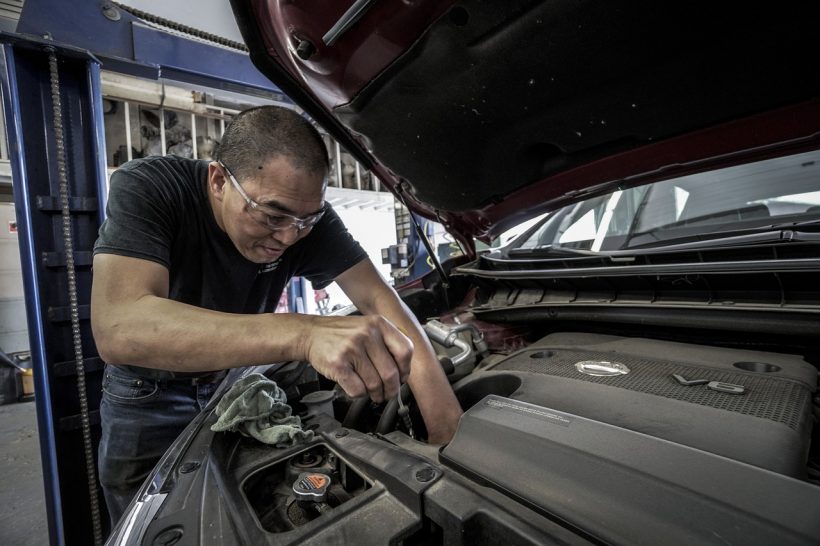
For car enthusiasts, mechanics, or hobbyists, the dream of having a personal auto workshop is both exciting and practical. Not only can it save you money on repairs, but it also gives you the freedom to work on projects at your own pace. However, building a functional auto workshop requires careful planning, the right tools, and adherence to safety and zoning regulations.
Start with a Solid Plan
Before buying tools or clearing out space, create a clear plan for your workshop. This involves assessing your goals, available space, and budget. Will it be for basic maintenance, major restorations, or custom builds? Your answer will determine the type and quantity of equipment you’ll need.
Consider:
-
Space Requirements: A single-car garage might suffice for basic work, but larger projects require more space.
-
Workflow Layout: Arrange tools, benches, and storage for efficient movement.
-
Budget Planning: Factor in not just tools, but also lighting, ventilation, and safety equipment.
Choose the Right Location
Your workshop location is key to its functionality. While many people convert their garages, others build standalone structures.
-
Garage Conversion: Ideal for quick access and lower costs.
-
Standalone Workshop: Offers more space and flexibility but may require permits.
-
Shared Spaces: Renting space in a community workshop can be an affordable starting point.
Essential Tools and Equipment
Invest in quality tools that match your intended projects.
Basic Tools:
-
Wrenches and socket sets
-
Screwdrivers and pliers
-
Hydraulic jack and jack stands
-
Torque wrench
Power Tools:
-
Impact wrench
-
Angle grinder
-
Power drill
-
Air compressor
Specialized Equipment:
-
Engine hoist
-
Welding machine
-
Diagnostic scanner
-
Tire changer and balancer
Safety Should Come First
Your workshop should be safe for you and anyone who might visit.
-
Proper Lighting: Bright, even lighting reduces accidents.
-
Ventilation: Prevents inhalation of fumes from paints, solvents, or exhaust.
-
Fire Safety: Keep extinguishers accessible and know how to use them.
-
Protective Gear: Gloves, goggles, and ear protection are essential.
Understand Zoning and Permits
Check local zoning regulations before you start building. Some areas restrict the type of work you can do at home or the size of outbuildings.
-
Permits: Required for electrical work, plumbing, or structural changes.
-
Noise Restrictions: Some neighborhoods limit operating hours for noisy tools.
-
Environmental Rules: Proper disposal of oil, coolant, and other hazardous waste is a must.
Organize Your Space for Maximum Efficiency
Clutter can slow you down and increase the risk of accidents. Use storage solutions to keep everything in its place.
Storage Ideas:
-
Pegboards for frequently used tools
-
Rolling tool chests for mobility
-
Shelving units for larger equipment
-
Magnetic strips for small metal tools
Estimated Cost Breakdown for a Home Auto Workshop
| Item | Estimated Cost Range |
|---|---|
| Basic hand tools | $300 – $800 |
| Power tools | $500 – $1,500 |
| Specialized equipment | $1,000 – $5,000 |
| Lighting and wiring | $200 – $1,000 |
| Ventilation system | $300 – $1,500 |
| Workbenches and storage | $200 – $1,000 |
Building your own auto workshop can be a rewarding project that pays for itself over time. Whether you’re restoring a classic, doing routine maintenance, or just tinkering with engines, a well-planned workspace will make your projects smoother, safer, and more enjoyable.
